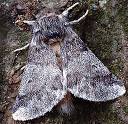
European Invasion: Oak Processionary Moths Found In Richmond Park & Ealing
The caterpillar has toxic hairs and residents are warned not to touch them
A small number of European oak processionary moths have been found breeding on trees in Ealing and Richmond.
As well as seriously damaging trees, the caterpillars pose a risk to humans and animals. The tiny hairs from the caterpillar can be blown on the wind and lead to itching, skin lesions and, less commonly, sore throats and eye problems.
Kew Gardens has had the same problem and nests have been found in Ealing and Richmond Park.
Mike Turner, Arboricultural Manager at The Royal Parks said:“We’ve carried out very careful monitoring in the Park for signs of oak processionary moth for over two years and have been working closely with our partners regarding local outbreaks. By removing the nests we hope to contain the moth population by destroying the caterpillars before they reach adulthood, therefore reducing the pest across London.”
Nests (Pictured below) will be removed at the end of June and beginning of July, when the caterpillars have retreated into their nests to pupate. Nest removal will be carried out by specially trained and equipped operators.

The moth (Thaumetopoea processionea) is a forestry pest as it strips oak trees’ leaves, and is a health hazard because the caterpillars shed toxic hairs.
The caterpillars feed on oak leaves and produce silken nests on the trunks and branches of affected trees.
You are advised not to touch the caterpillar or a nest, even an empty nest. If you think you may have been exposed and have an itching skin rash and/or conjunctivitis or other symptoms, contact your GP, or call NHS Direct on 0845 4647.
If you think you have seen the caterpillars or one of their nests/webs
|
Related links
|